
 Ovron Total Security
With the rapid evolution of cyber threats, businesses must take proactive measures to protect their digital assets. Cybersecurity risk assessments are no longer optional—they are essential for identifying vulnerabilities, mitigating risks, and ensuring compliance with evolving security regulations. In 2025, as cybercriminals deploy more sophisticated attacks, businesses of all sizes must prioritize risk assessments to safeguard their operations and maintain customer trust.
What is a Cybersecurity Risk Assessment?
A cybersecurity risk assessment is a structured process that evaluates an organization’s IT infrastructure, identifies security vulnerabilities, and determines the potential impact of cyber threats. This assessment helps organizations develop robust security strategies to mitigate risks and enhance their overall cybersecurity posture.
Why Cybersecurity Risk Assessments are Essential in 2025
1. Increasing Cyber Threats and Sophisticated Attacks
Cybercriminals continue to develop advanced hacking techniques, including AI-driven attacks, ransomware, and deepfake scams. A thorough risk assessment helps businesses identify potential weaknesses before they are exploited.
2. Compliance with Evolving Regulations
In 2025, global cybersecurity regulations, such as GDPR, CCPA, and new federal mandates, require businesses to conduct regular risk assessments. Non-compliance can lead to severe fines and reputational damage.
3. Protection Against Financial Losses
Cyberattacks can result in massive financial losses due to data breaches, ransomware payments, and legal fees. Risk assessments help prevent costly incidents by strengthening security defenses.
4. Safeguarding Customer Trust and Brand Reputation
Customers expect businesses to protect their sensitive data. A well-executed risk assessment enhances trust by demonstrating a commitment to cybersecurity best practices.
5. Supporting Remote Work Security
With remote and hybrid work models becoming the norm, companies must assess security risks related to remote access, unsecured devices, and cloud vulnerabilities.
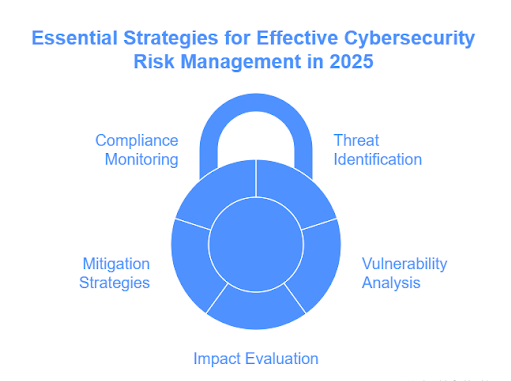
Key Steps in Conducting a Cybersecurity Risk Assessment
1. Identify Critical Assets and Data
Determine which systems, networks, and data are most valuable to your business and require the highest level of protection.
2. Assess Potential Threats and Vulnerabilities
Evaluate risks such as malware, phishing attacks, insider threats, and unpatched software that could compromise your security.
3. Analyze Potential Impact
Understand the potential consequences of a cyberattack, including data loss, operational downtime, and financial repercussions.
4. Implement Risk Mitigation Strategies
Use advanced security solutions like Ovron Total Security to protect against cyber threats with robust antivirus, firewall, and encryption technologies.
5. Regularly Update and Test Security Measures
Cyber threats evolve rapidly. Conduct routine risk assessments, update security protocols, and test your incident response plan to stay ahead of attackers.
Conclusion
In 2025, cybersecurity risk assessments are a fundamental requirement for businesses aiming to stay secure in an increasingly digital world. By identifying and mitigating cyber risks, companies can ensure compliance, prevent financial losses, and maintain customer trust. Partnering with a trusted cybersecurity provider like Ovron Total Security ensures that businesses stay protected against evolving threats.
As cyber threats grow more complex, organizations that prioritize cybersecurity risk assessments will be better equipped to navigate the digital landscape safely and confidently.
Follow us on Social Media:
For more details, connect with us:

