
 Ovron Total Security
Artificial Intelligence (AI) is transforming the field of cybersecurity, enabling faster threat detection, automated responses, and predictive analysis to prevent cyberattacks. However, the growing reliance on AI in cybersecurity raises ethical concerns, such as data privacy, bias, and accountability. Striking the right balance between AI-driven security and ethical considerations is crucial to ensuring a fair, secure, and transparent digital landscape.
How AI is Revolutionizing Cybersecurity
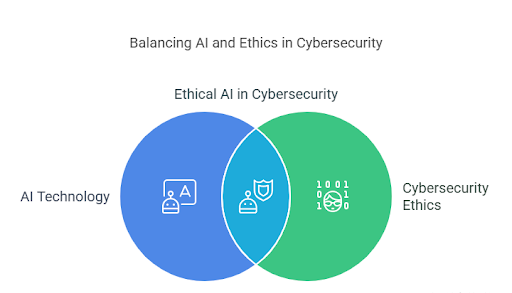
AI is playing a pivotal role in cybersecurity by automating threat detection, analyzing vast amounts of data, and responding to cyber incidents in real-time. Some key areas where AI is making an impact include:
1. Threat Detection and Prevention
AI-powered systems can identify potential cyber threats by analyzing patterns in network traffic and detecting anomalies that indicate attacks like malware infections and phishing attempts.
2. Automated Incident Response
AI can respond to cyber threats automatically, isolating affected systems, blocking malicious activities, and reducing the time it takes to mitigate attacks.
3. Predictive Analysis
By leveraging machine learning, AI can predict emerging threats based on historical attack data, allowing businesses to strengthen their defenses proactively.
4. Fraud Detection and Identity Verification
Financial institutions and e-commerce platforms use AI to detect fraudulent transactions and verify user identities, enhancing security while improving user experience.
Ethical Challenges of AI in Cybersecurity
Despite its advantages, AI in cybersecurity poses several ethical concerns that businesses must address to maintain trust and transparency.
1. Bias in AI Algorithms
AI systems rely on training data, and if this data contains biases, the AI may produce unfair or discriminatory results. For example, biased AI algorithms may mistakenly flag legitimate users as security threats while failing to detect certain cyber risks.
2. Privacy Concerns
AI systems collect and analyze massive amounts of user data to detect security threats. Without proper safeguards, this data could be misused, leading to privacy violations and potential surveillance overreach.
3. Lack of Accountability
Who is responsible when an AI-driven cybersecurity system makes a mistake? Establishing accountability in AI decision-making is crucial, especially when errors result in financial losses or security breaches.
4. Over-Reliance on AI
While AI enhances cybersecurity, over-reliance on automation could reduce human oversight. Cybercriminals are also evolving their tactics to exploit AI weaknesses, making it essential to maintain a balance between AI and human intervention.
Striking the Right Balance: Ethical AI in Cybersecurity
To ensure AI in cybersecurity is used ethically and effectively, businesses should adopt best practices that prioritize transparency, fairness, and accountability.
1. Implement Transparent AI Systems
Organizations should use AI models that provide clear explanations of their decision-making processes. This transparency builds trust and helps identify and correct biases.
2. Protect User Privacy
Businesses must implement strict data protection policies, ensuring AI-driven cybersecurity systems adhere to privacy regulations such as GDPR and CCPA.
3. Human-AI Collaboration
AI should complement human cybersecurity professionals rather than replace them. Keeping humans in the loop ensures ethical oversight and allows for better decision-making in complex security scenarios.
4. Regular AI Audits and Compliance Checks
Routine audits of AI systems can help identify biases, assess effectiveness, and ensure compliance with ethical and legal standards.
5. Invest in Ethical AI Frameworks
Leveraging cybersecurity solutions like Ovron Total Security ensures AI is used responsibly, providing advanced security while maintaining ethical standards.
Conclusion
AI is a game-changer in cybersecurity, offering powerful tools to protect against evolving threats. However, ethical concerns such as bias, privacy risks, and accountability must be addressed to ensure AI is used responsibly. By maintaining transparency, protecting user privacy, and integrating human oversight, businesses can strike the right balance between AI-driven security and ethical responsibility.
Partnering with cybersecurity providers like Ovron Total Security helps businesses implement AI ethically, ensuring a secure and trustworthy digital future.
Follow us on Social Media:
For more details, connect with us:

